Home/Products/Insulating Tools, Ladders & Detectors
Product family

Insulated Ladders, Operating Rods & Voltage Detectors

The live-line tool set is where a specification most often goes wrong, because two different jobs get written against one standard number. We manufacture FRP insulated ladders, insulated platforms, operating and discharge rods, and voltage detectors.

Home/Product family

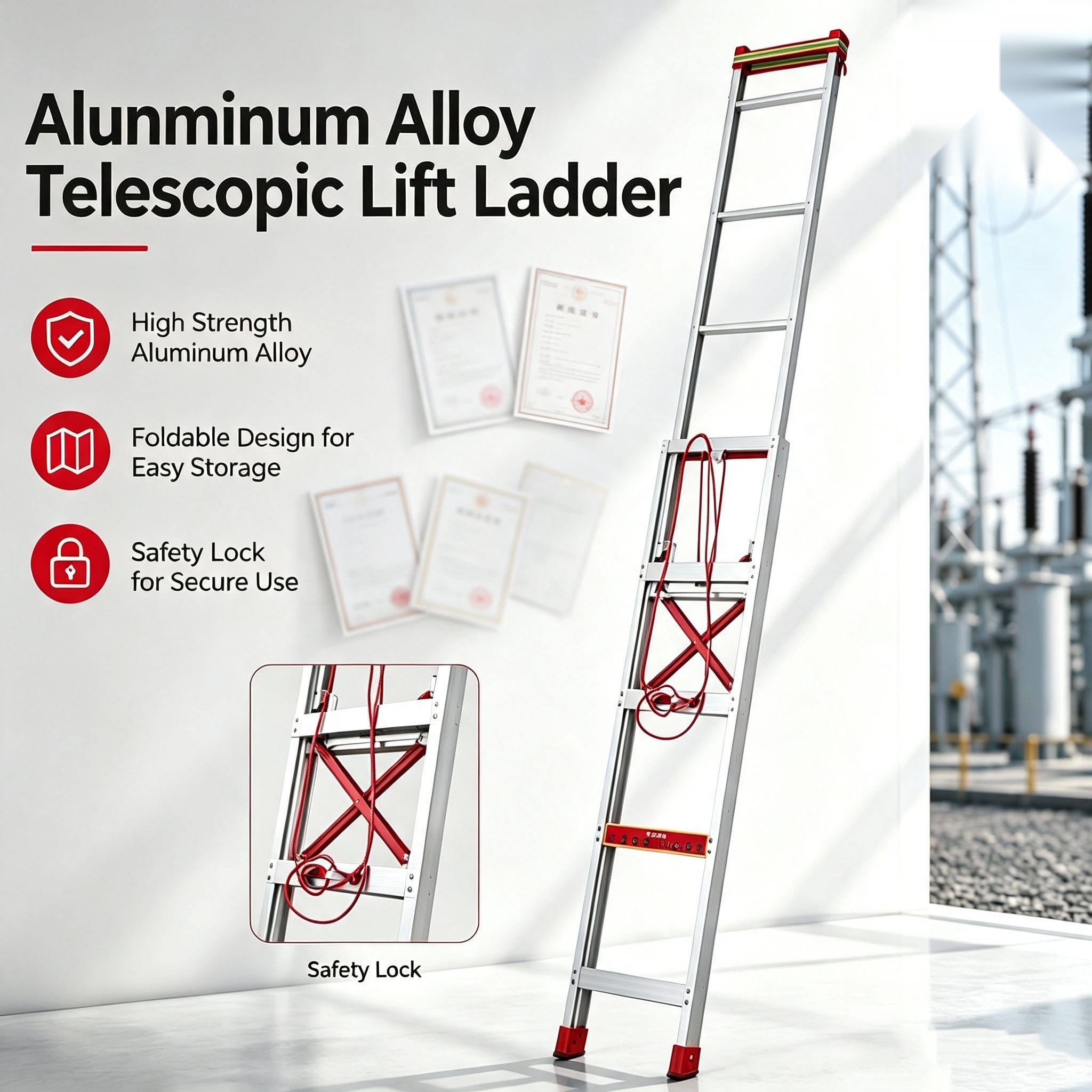
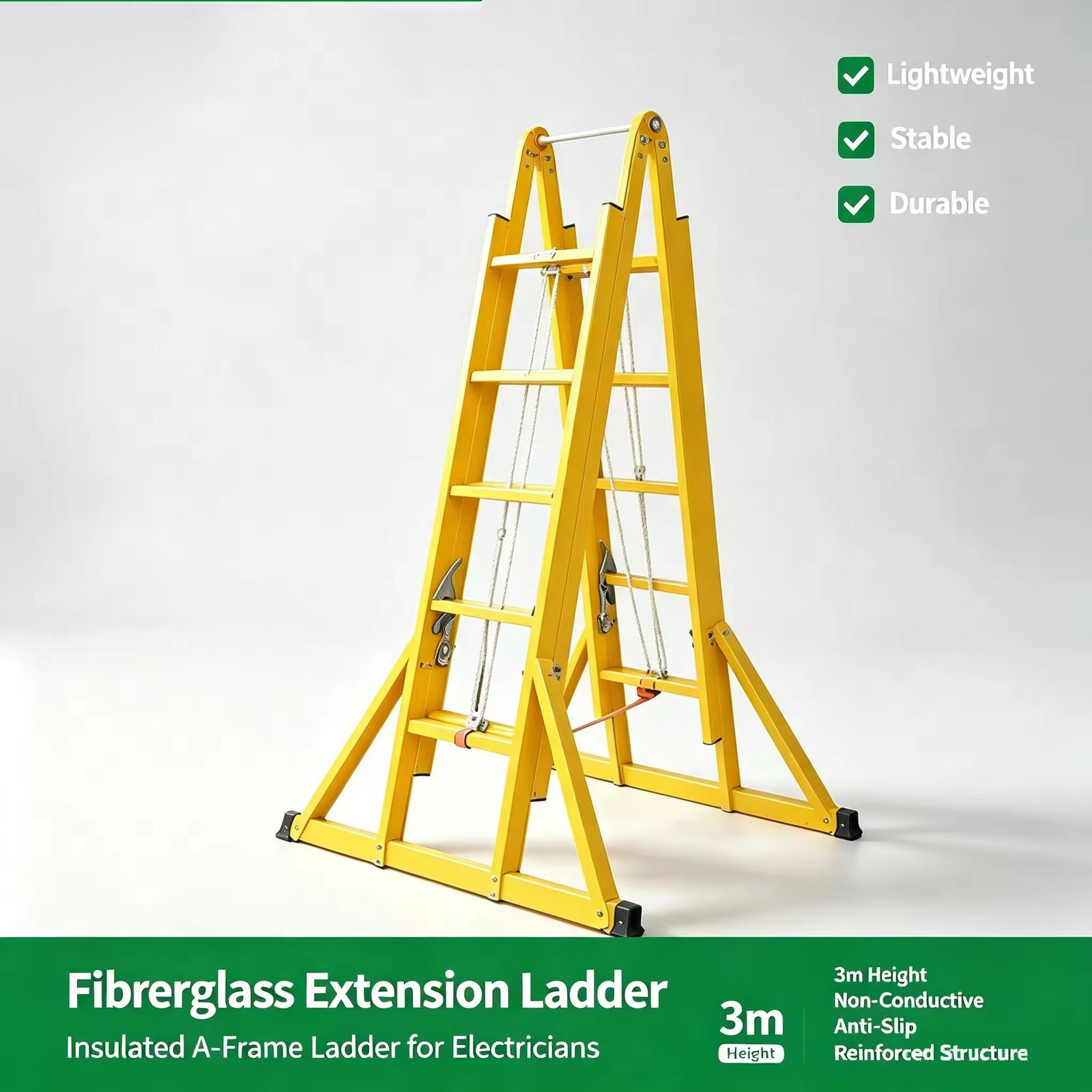
Ladders and platforms are separate product lines, not alternatives

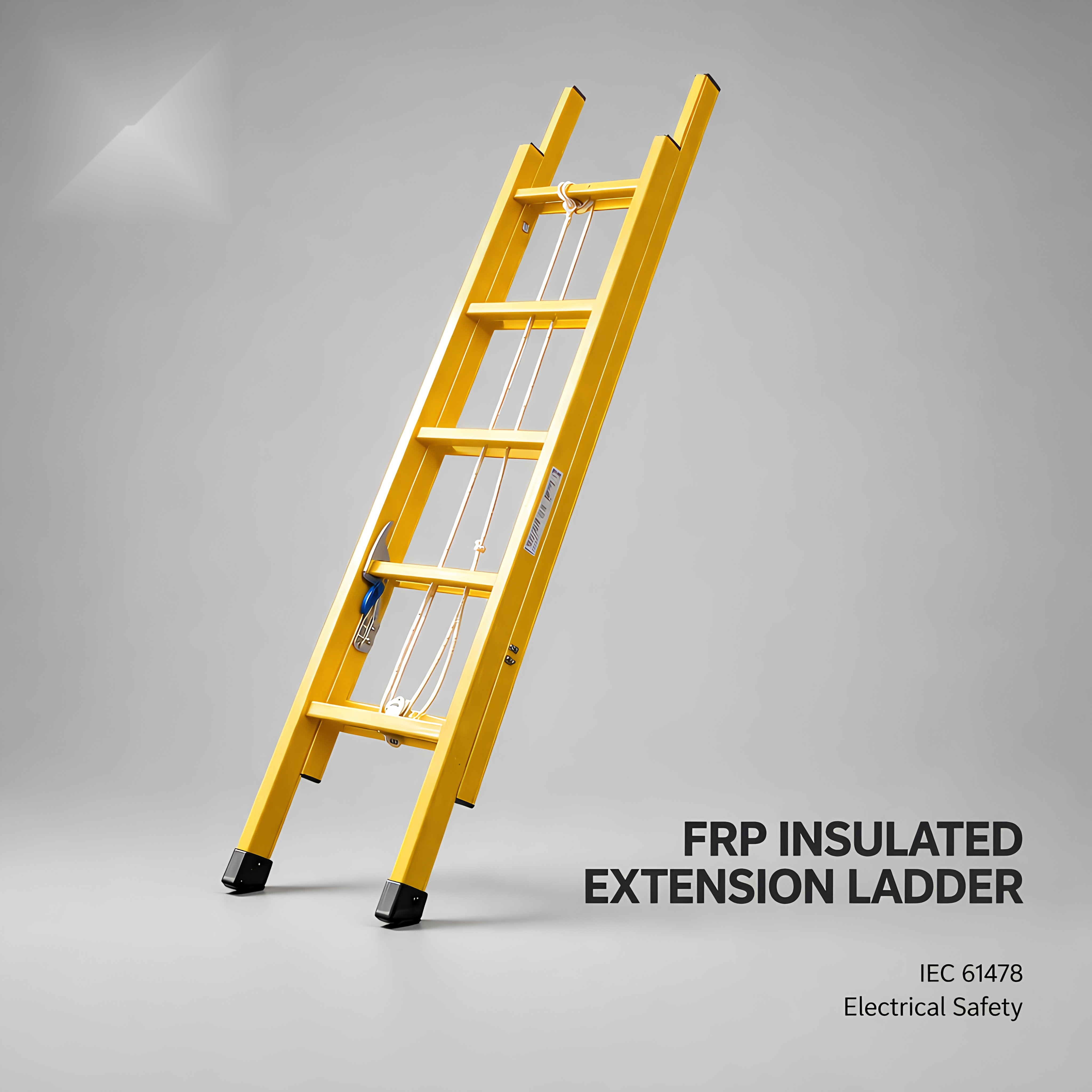
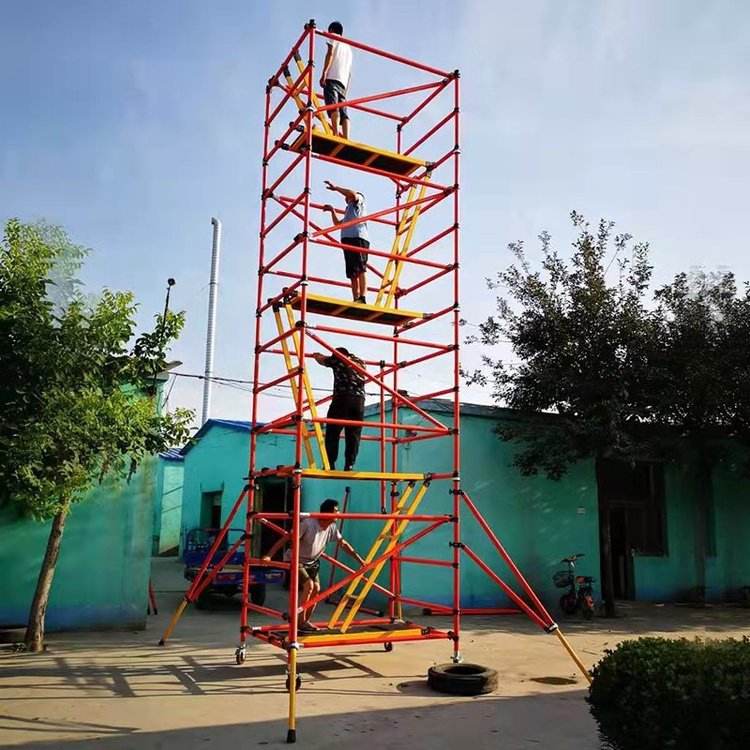
A tender that lists "an insulating platform to IEC 61478" is asking for two different things at once. Our insulating ladders are supplied to IEC 61478 as one line; mobile insulating platforms and insulated scaffolding are separate products, quoted and documented separately.

The distinction matters at the point where the specification is written, because the two are not interchangeable at the point of work — one is climbed, the other is stood on and repositioned. Keeping them as distinct lines in a tender is the simplest way to avoid a substitution argument later.

A voltage detector is chosen from the network and the point of work

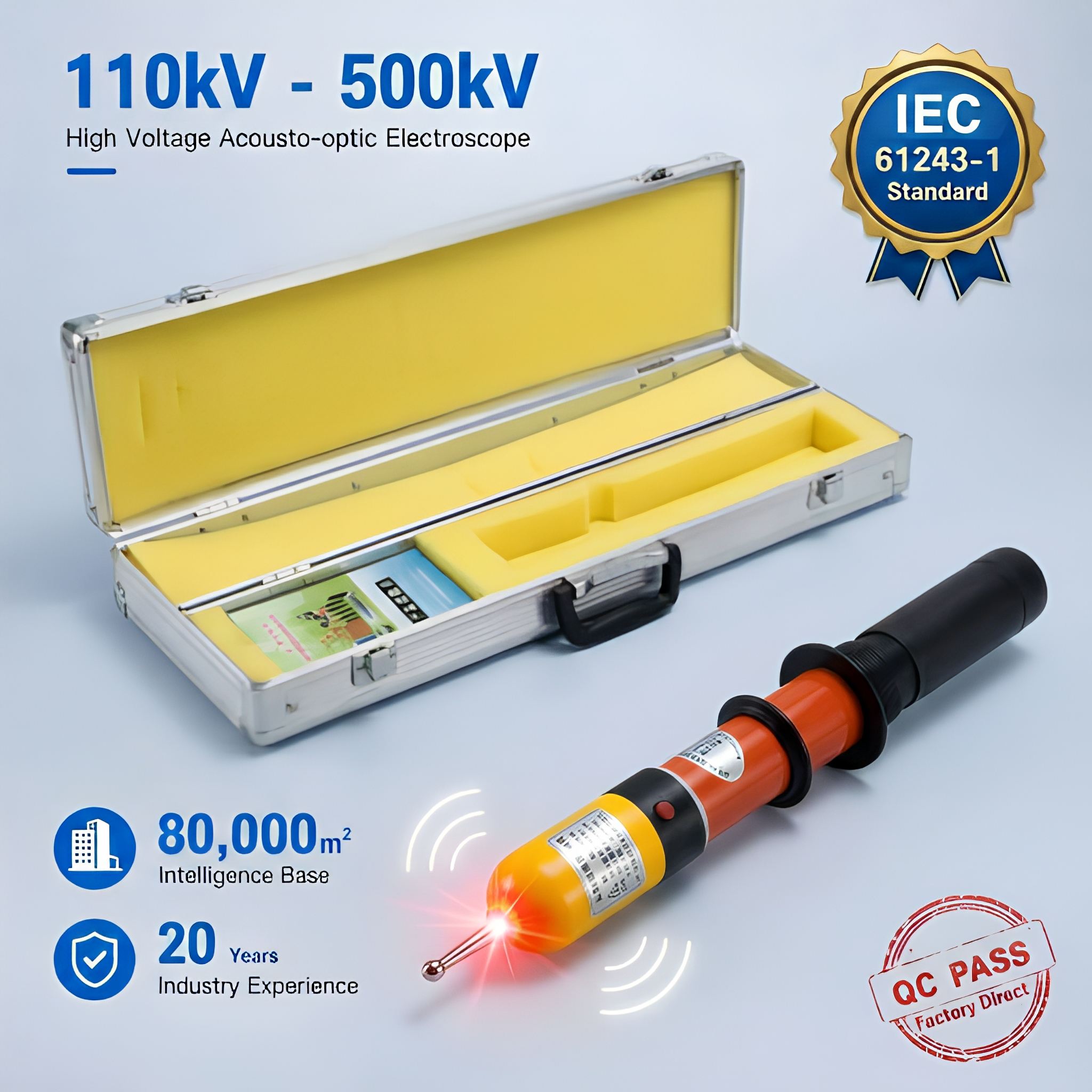
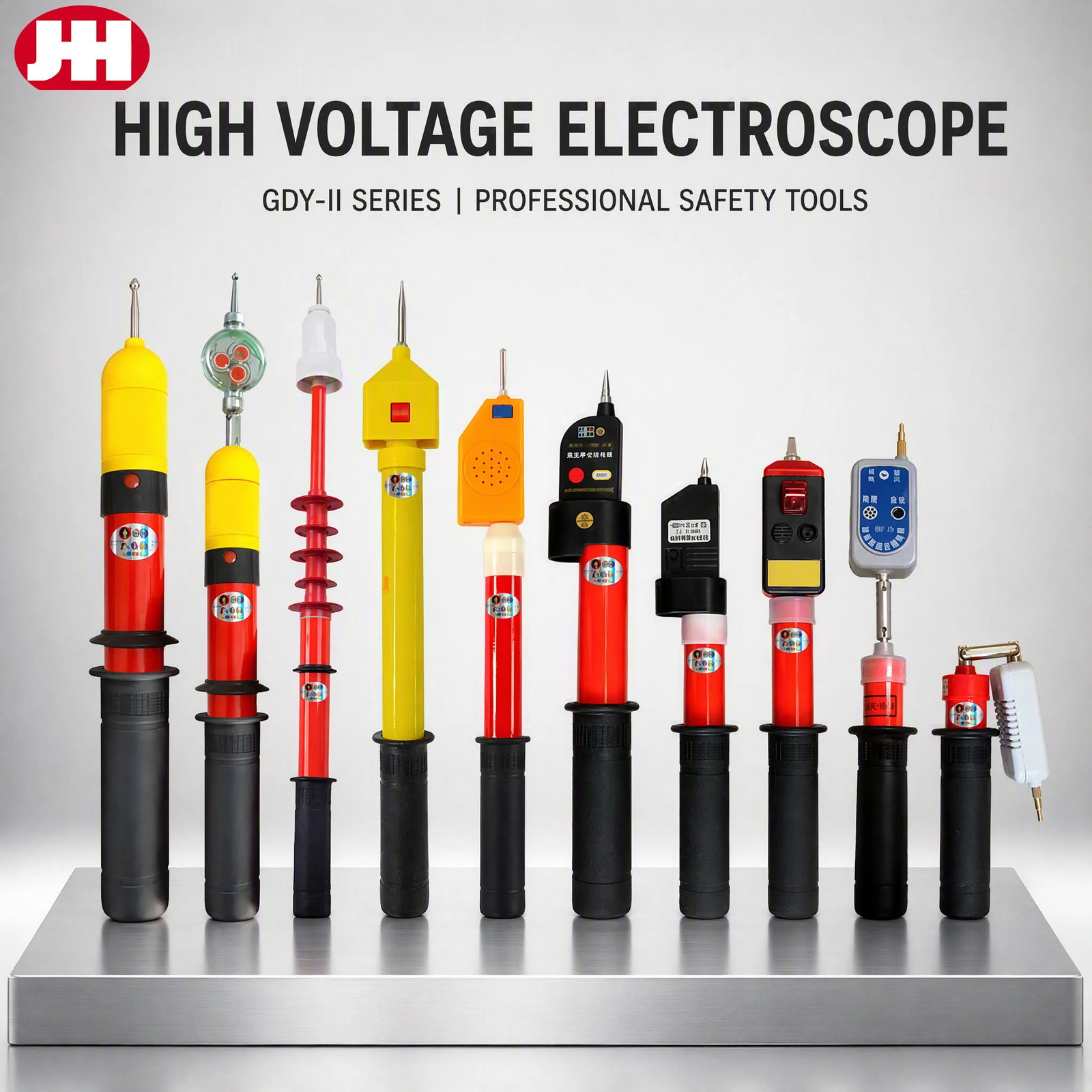
There is no such thing as one voltage detector for every job. IEC 61243-1 is the part of the standard that covers capacitive voltage detectors for voltages exceeding 1 kV a.c.; later parts of the same series cover voltage detecting systems, so the first question to settle when a specification simply quotes "IEC 61243-1" is which type of device is actually meant.

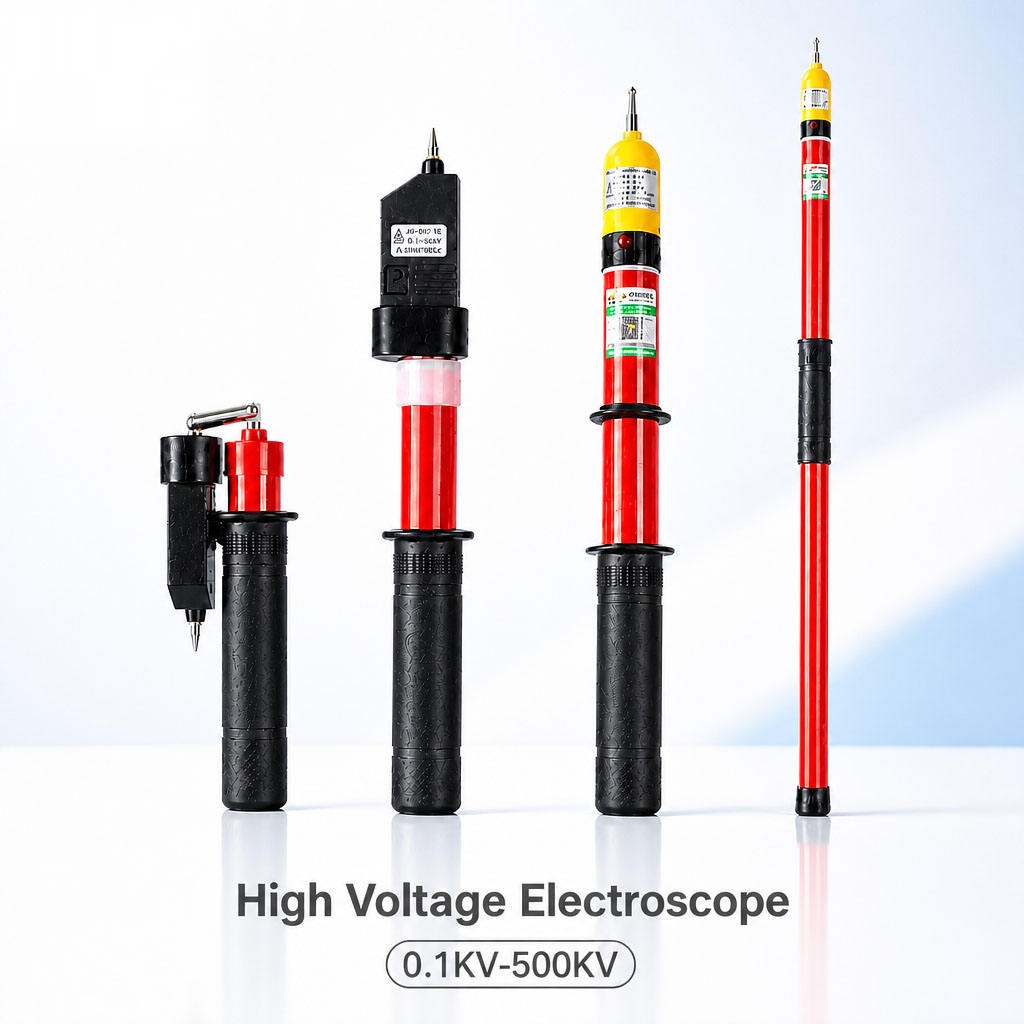
The practical consequence is that a detector specified for a 33 kV overhead line is not the tool for confirming dead on a low-voltage distribution board. Our range covers both indication types — acousto-optic units and detectors that indicate against a threshold the user sets — and the choice follows the network and the point of work rather than a preference.

We would not treat a self-test as sufficient evidence on its own: prove the detector against a known live source before use, and re-prove it afterwards.

  • FRP insulated extension and step ladders to IEC 61478
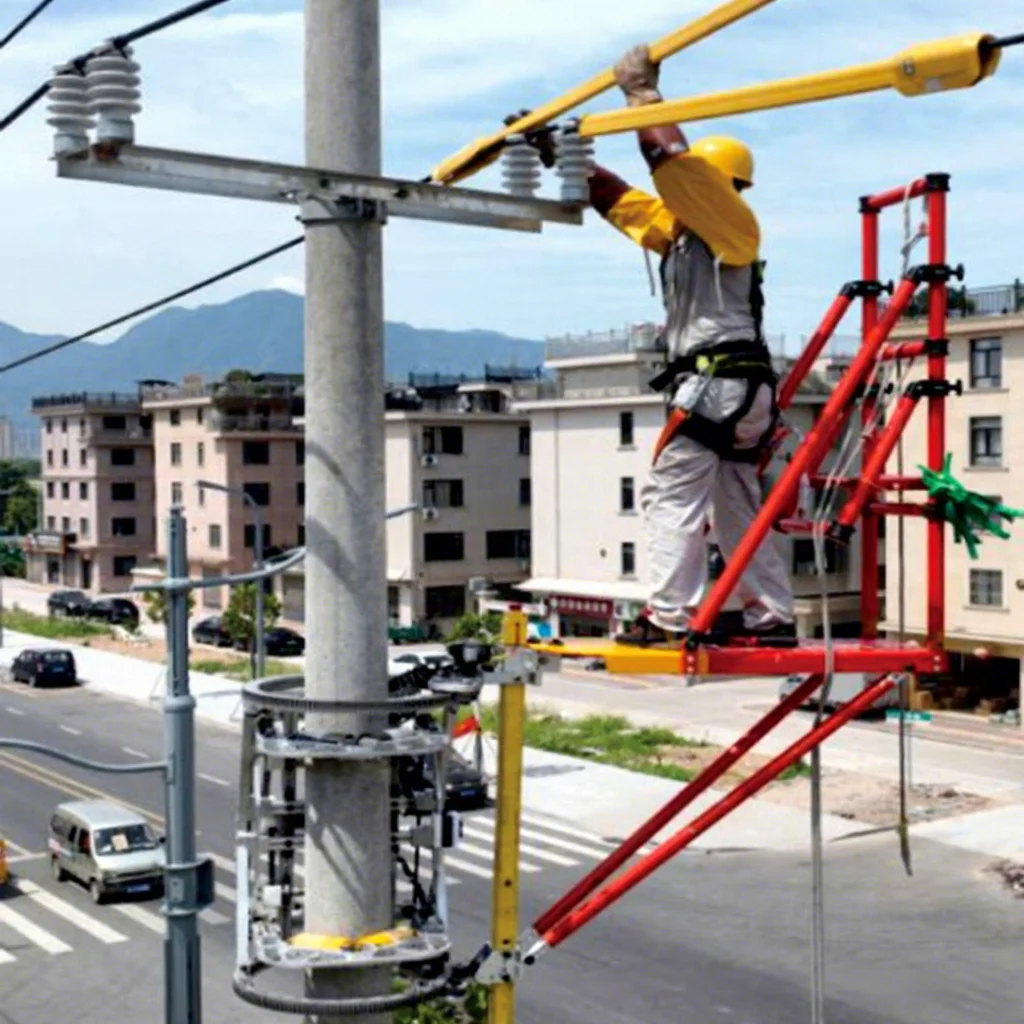
  • Mobile walk-over insulated platforms and insulated scaffolding
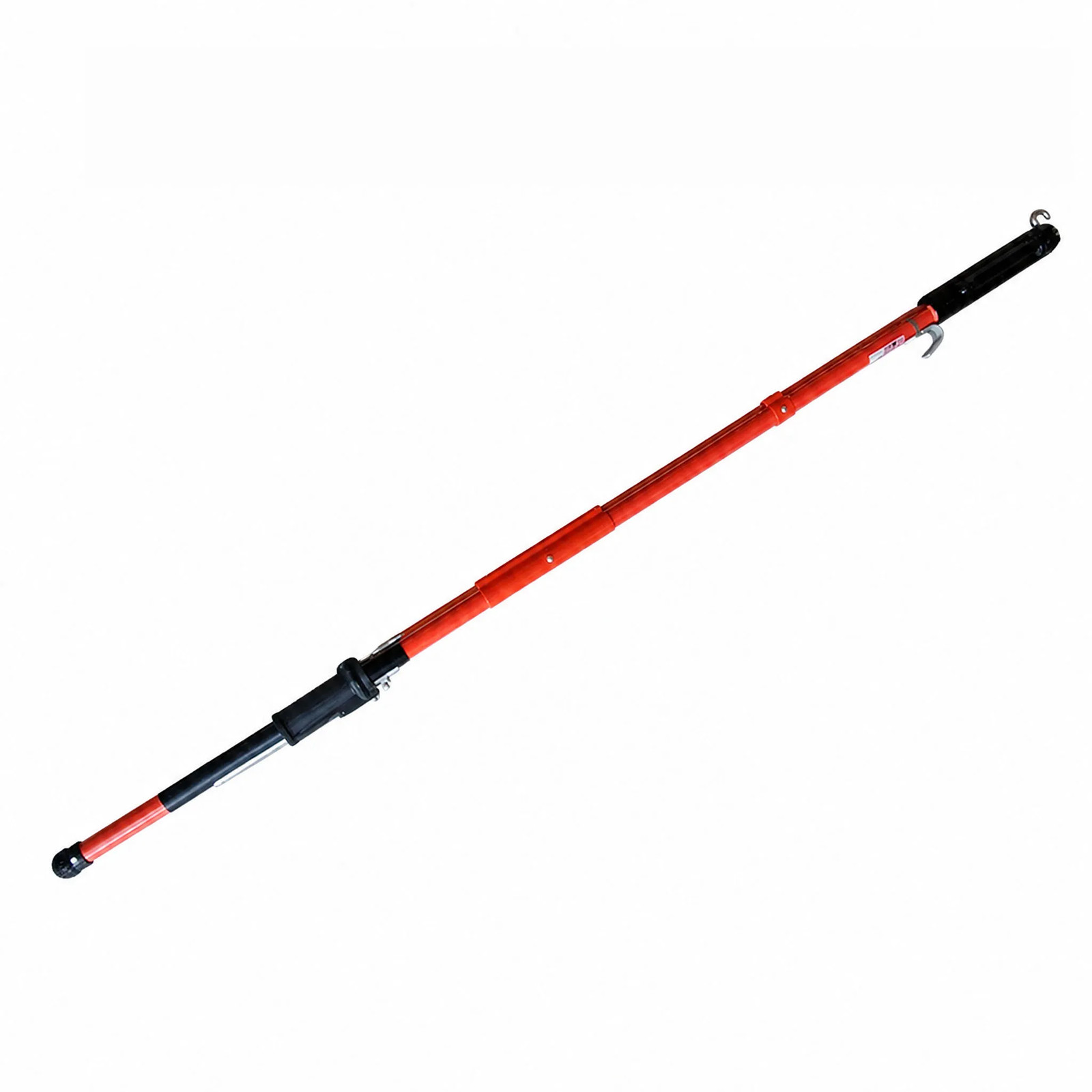
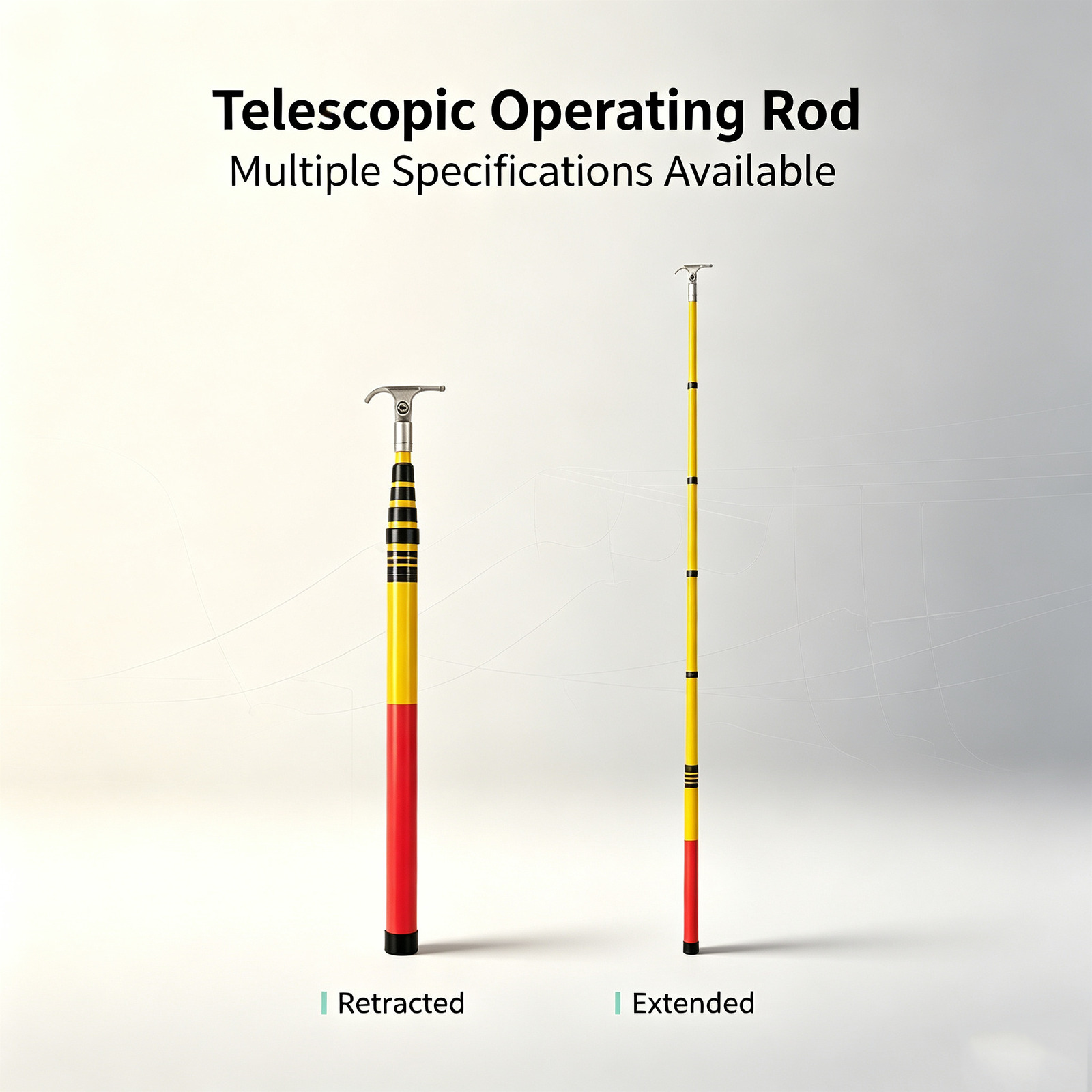
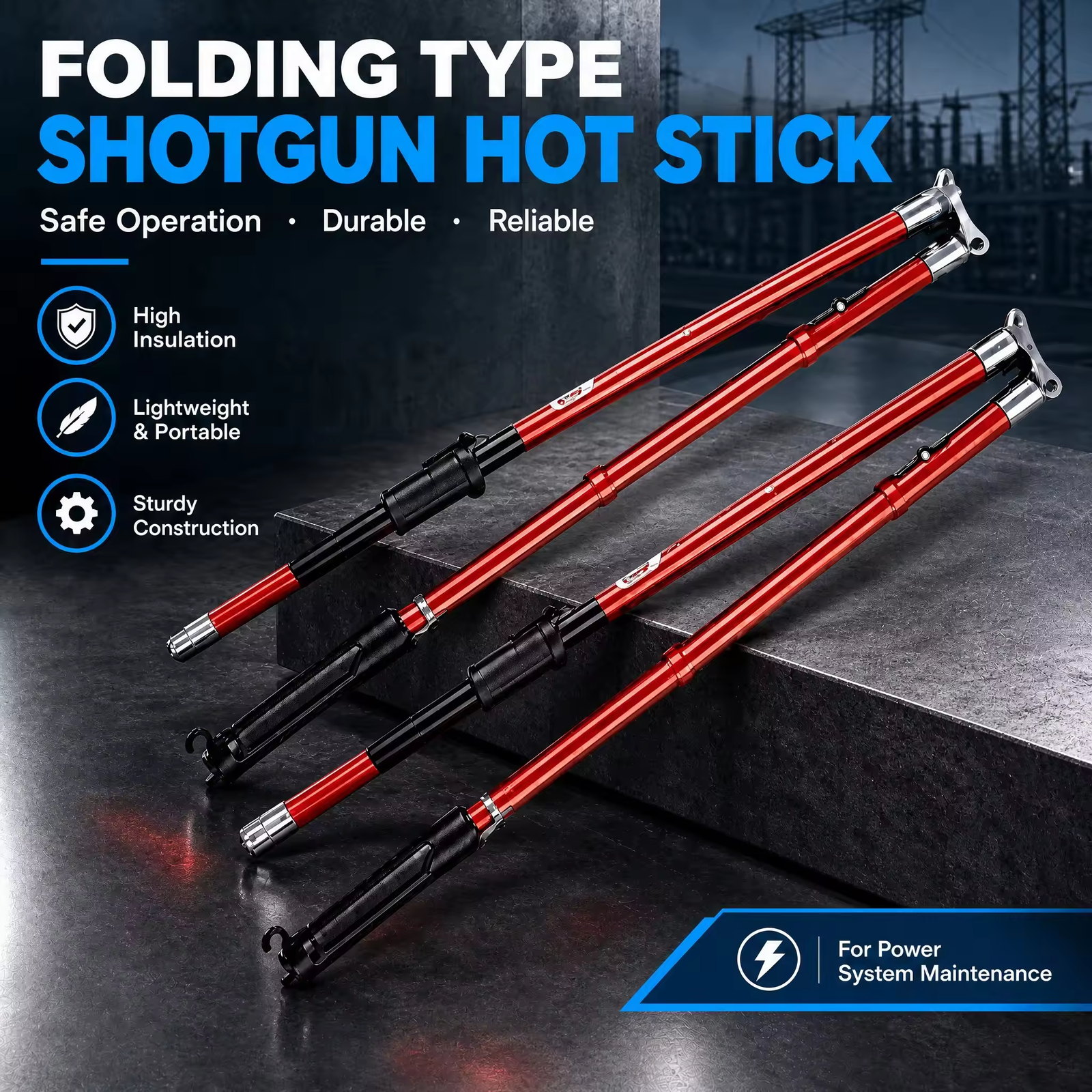
  • Telescopic operating rods, discharge rods and fuse pullers
  • Acousto-optic and threshold HV detectors to IEC 61243-1
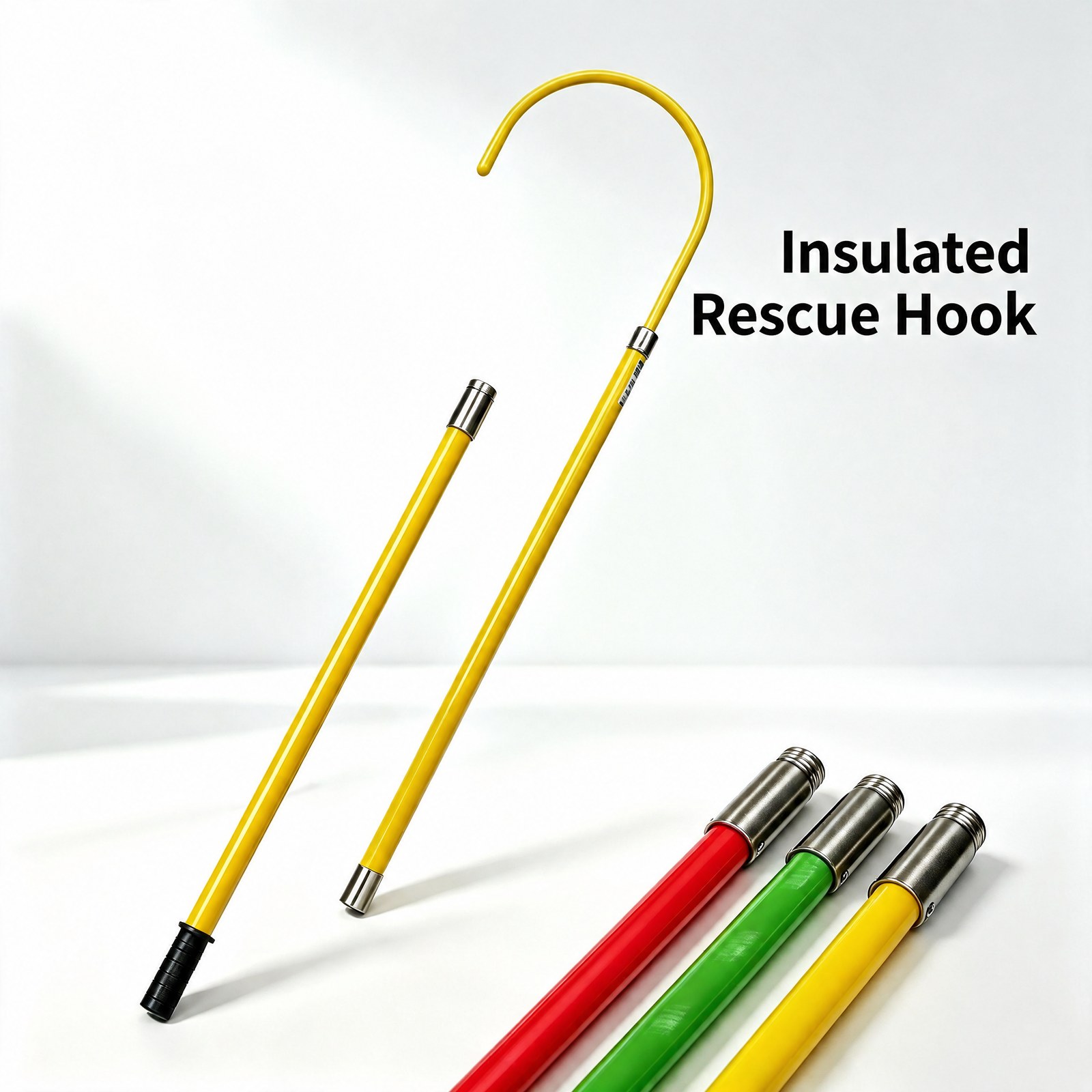
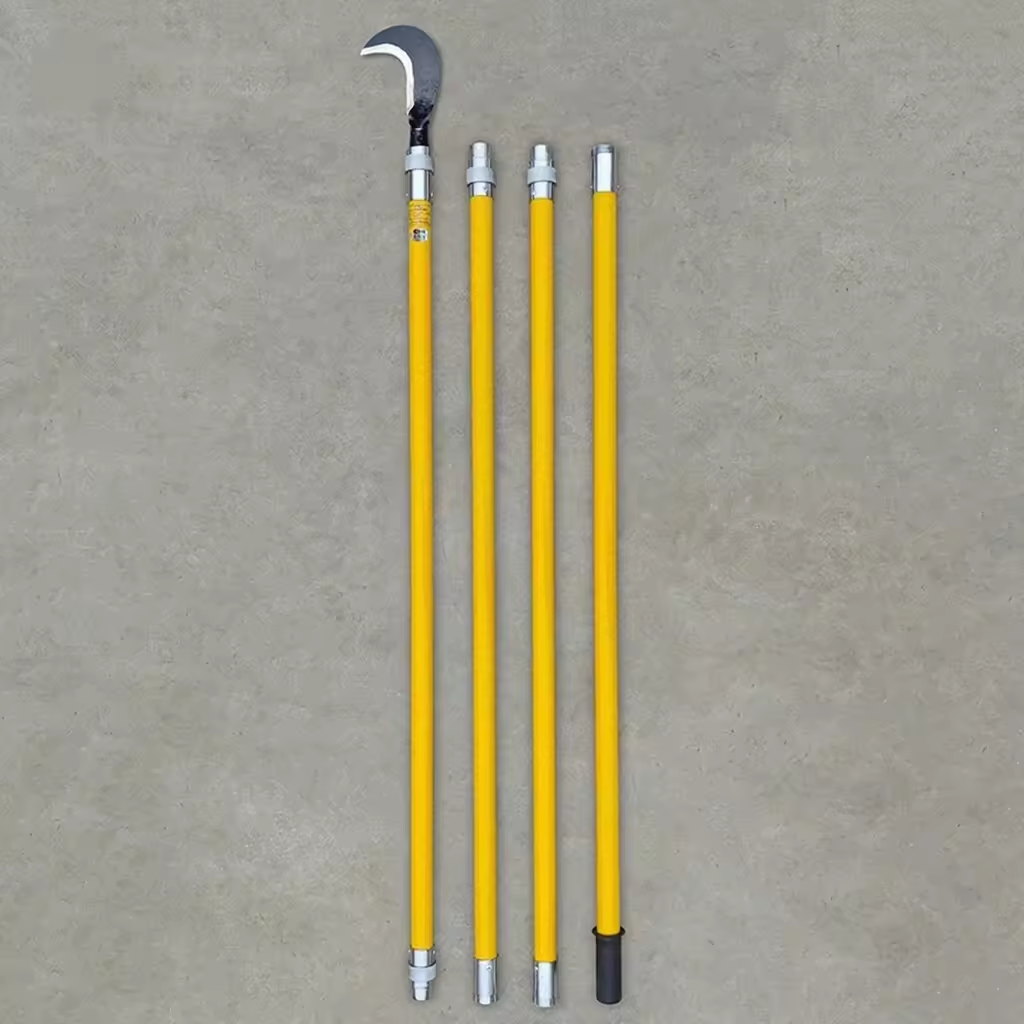
  • Insulated rescue hooks, saw knives and FRP step stools

Operating rods: reach and rigidity are separate decisions

A telescopic operating rod is specified by the working reach needed at the point of work and by the class of insulation required, not by its collapsed length. A rod that telescopes far enough but flexes at full extension is not usable for switching on a live conductor.

Because the tubes, the insulation and the fittings are made in our own plant, non-standard lengths and head fittings are a drawing question rather than a catalogue limit.

Insulating material is specified from the finished part

FRP and epoxy are both used for insulating ladders, platforms and structural parts, and they are specified interchangeably far too often. FRP is a composite — reinforcement in a resin matrix — and its electrical performance depends on the resin system, the reinforcement orientation and how the part was cured. A part can be epoxy-based without being FRP in the structural sense.

The practical consequence is that two suppliers can quote "FRP" and deliver parts with different mechanical and dielectric behaviour, both legitimately. What settles it is the test data for the finished part, not the family name of the material.

14 products in this family

Insulating Tools, Ladders & Detectors

FRP insulated ladders, insulated scaffolding and acousto-optic high-voltage detectors for power distribution and overhead line maintenance.

FAQ

Frequently asked questions

Are insulating ladders and mobile insulating platforms the same product line?
No — they are separate lines, quoted and documented separately. Our insulating ladders are supplied to IEC 61478 as one line; mobile insulating platforms and insulated scaffolding are a different line with their own documentation. Keep the two as separate tender lines to avoid a substitution argument.
Which voltage detector should I order?
It depends on the voltage range, whether it is for overhead lines or switchgear, and whether you need a sound-and-light indication or a user-set threshold. A detector for a 33 kV overhead line is not the tool for confirming dead on a low-voltage distribution board. Tell us the network and the point of work.
What length of operating rod do I need?
Specify the working reach required at the point of work together with the insulation class. Tell us the switching or earthing operation and the structure you are working from, and we will quote the rod and head fitting for it.
Do you supply the maintenance and test documentation for insulating tools?
Yes — test certificates are supplied with the order for the insulating tools and ladders. Tell us at the quotation stage which document your inspection procedure requires.
Ask a technical question
Start Your Project

Let's build your power infrastructure together

Send us your specifications — insulating mats, gloves, voltage detectors, grounding systems or safety tooling projects. Our engineers respond within 24 hours with technical recommendations and pricing.