Home/Applications/Solar PV Plants
Application

Electrical Safety Equipment for Solar PV Plants

A solar plant presents two different problems at once. The DC array is a live source that does not switch off when the AC side is isolated, and the AC side is ordinary live-work once it is isolated. The equipment list follows from that split.

Home/Application

The DC side is specified by insulation and connector, not by cross-section alone

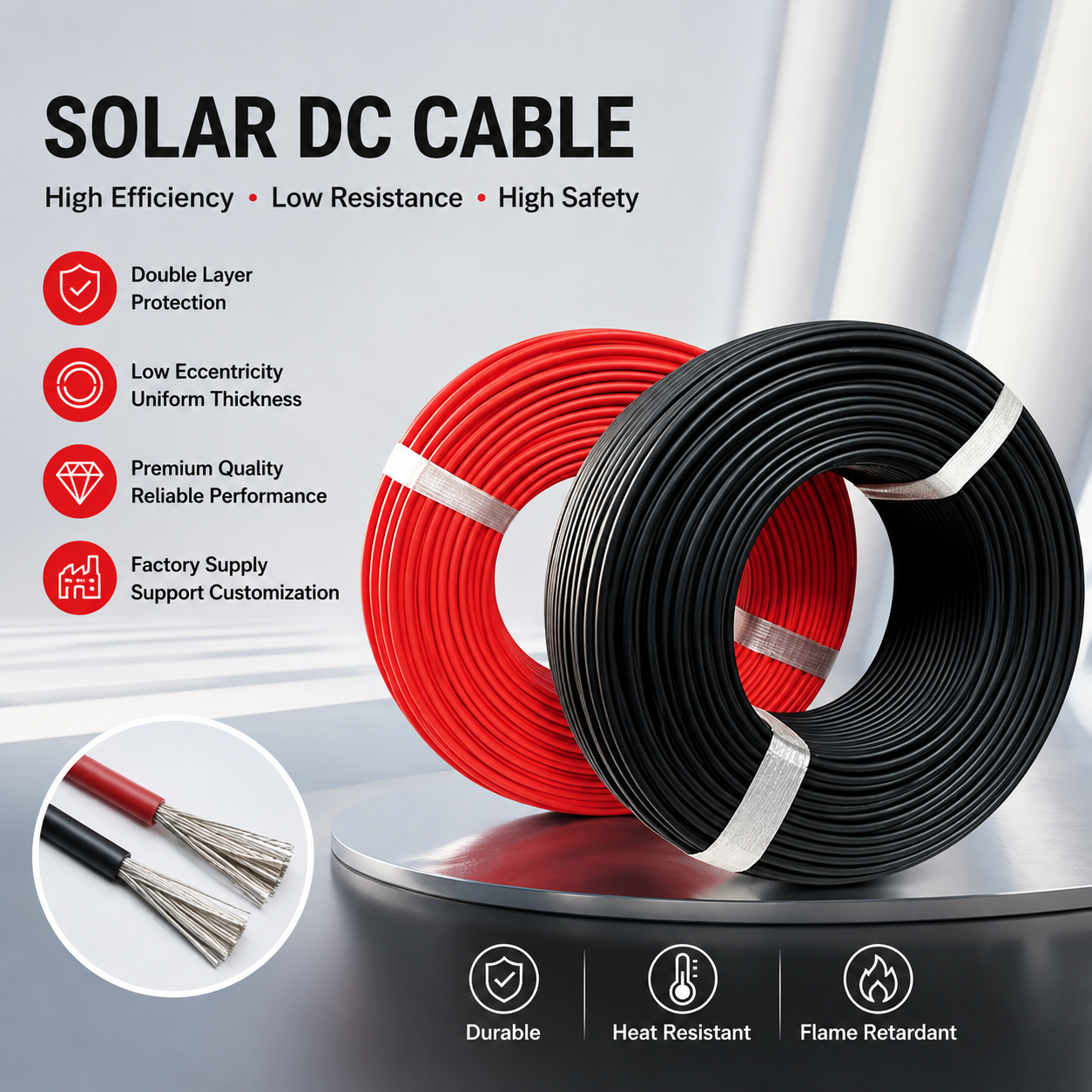
Solar DC cable runs outdoors, in conduit and on racking, for decades. Tinned copper resists corrosion at the termination, and the durability is carried by the insulation system — which is why the cable is specified as a double-insulated construction rather than by cross-section alone.

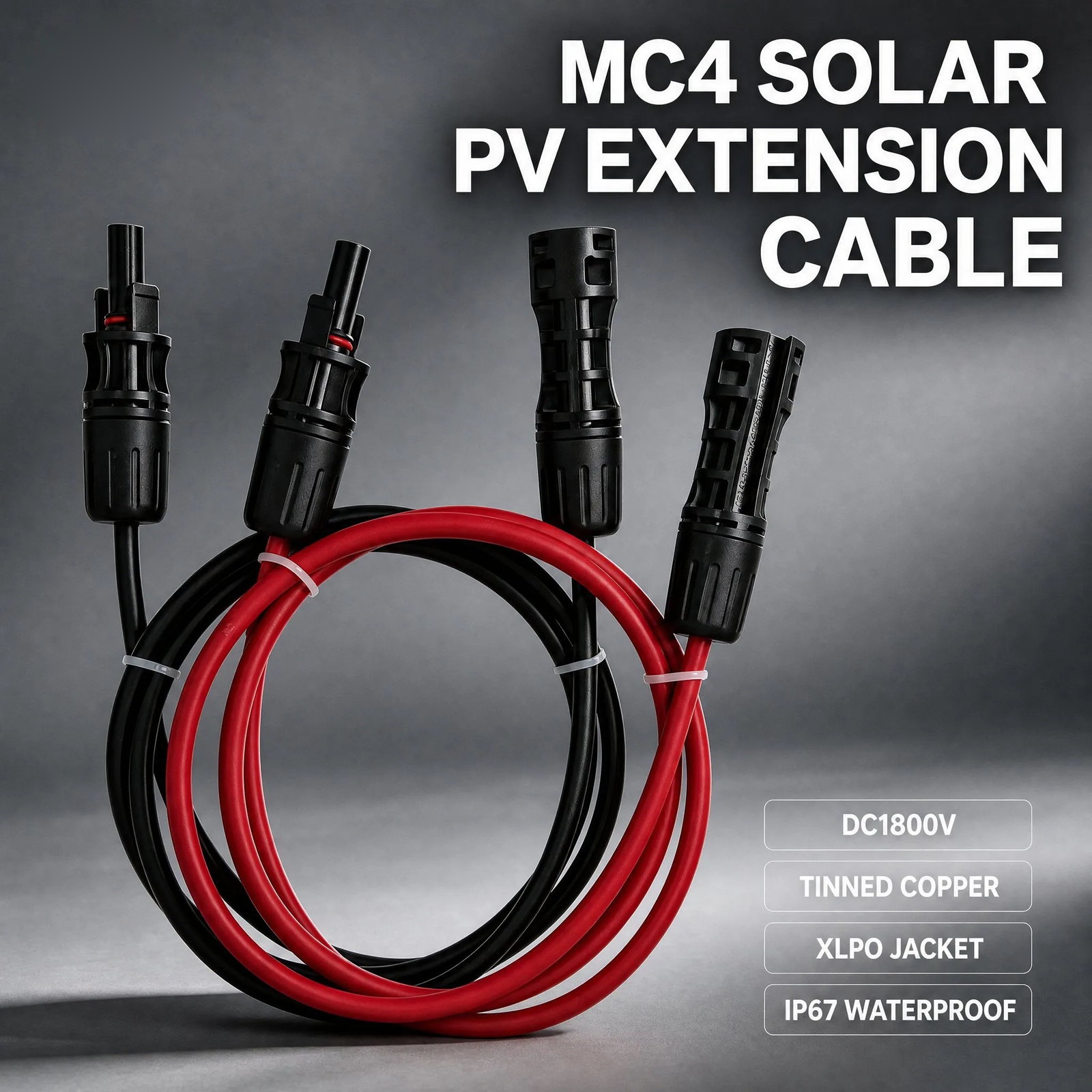
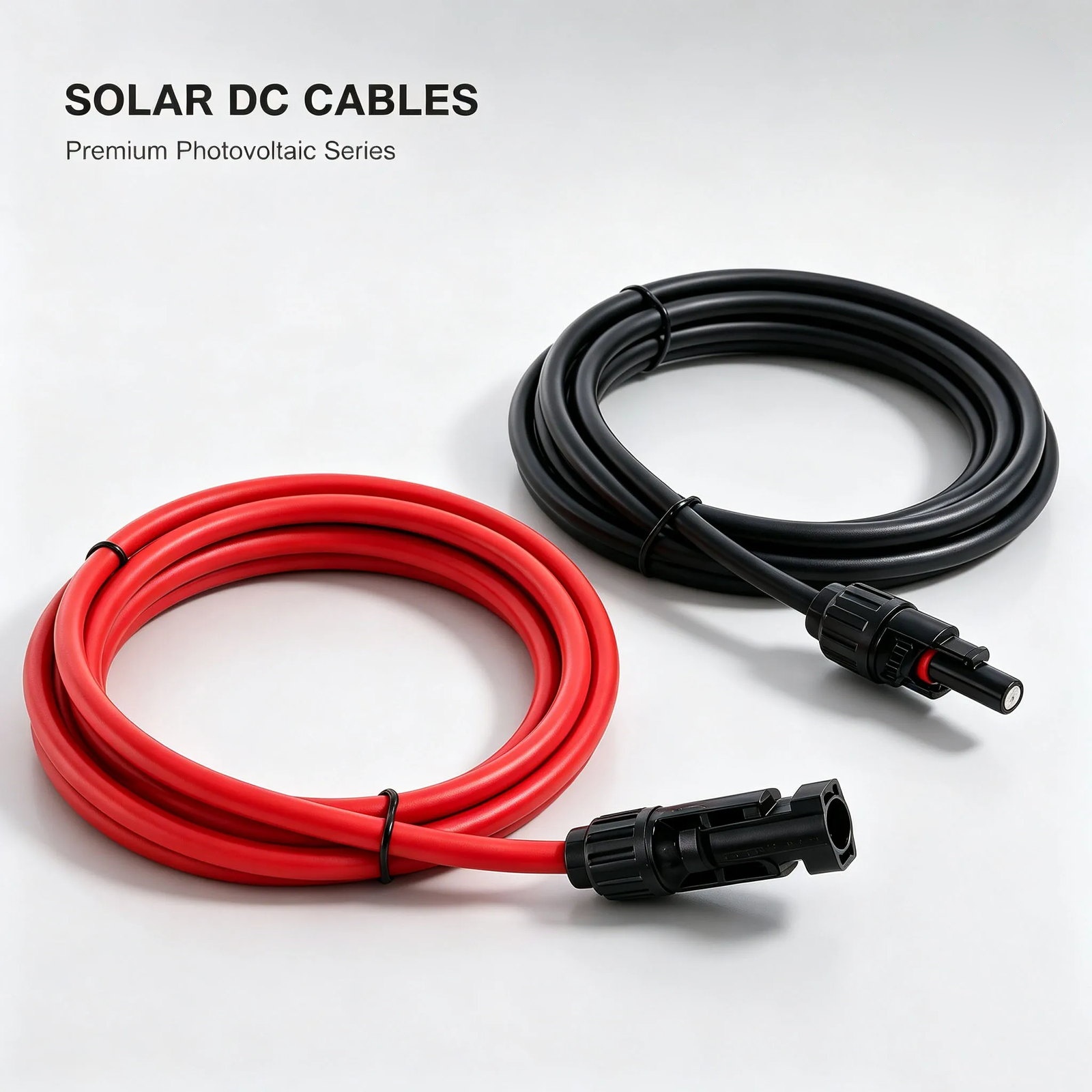
The range covers DC tinned-copper solar PV cable in 2.5, 4 and 6 mm², together with PV extension-cable assemblies for 1000 V and 1500 V systems, including a single-head IP67 version and a double-head assembly, so the harness can be supplied as a finished assembly rather than as loose cable and loose connectors.

  • DC tinned-copper solar PV cable, 2.5 / 4 / 6 mm², double XLPO
  • PV extension cables with MC4 connectors, 1000 V / 1500 V
  • Single-head IP67 and double-head PV extension assemblies
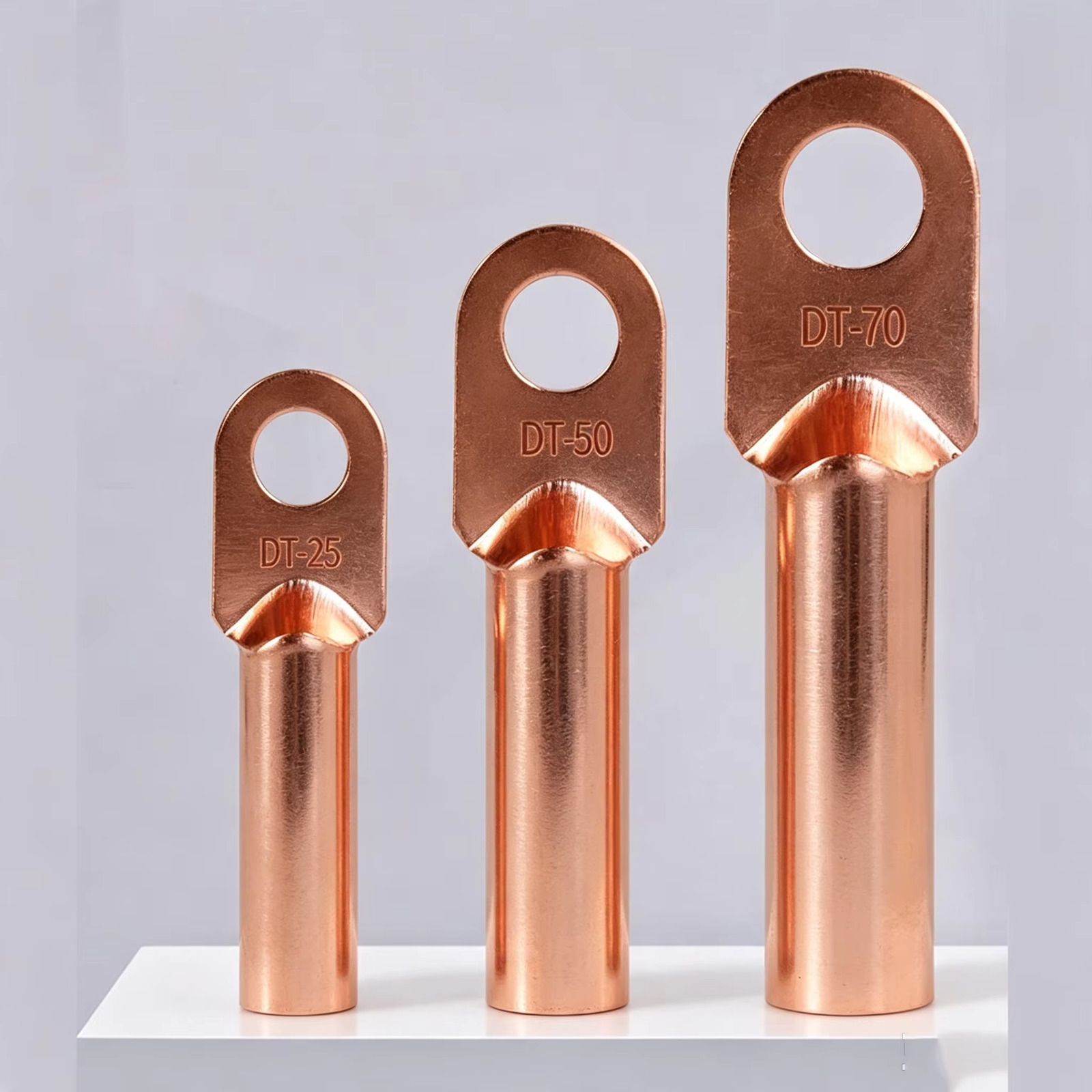
  • DT series copper cable lugs for terminations
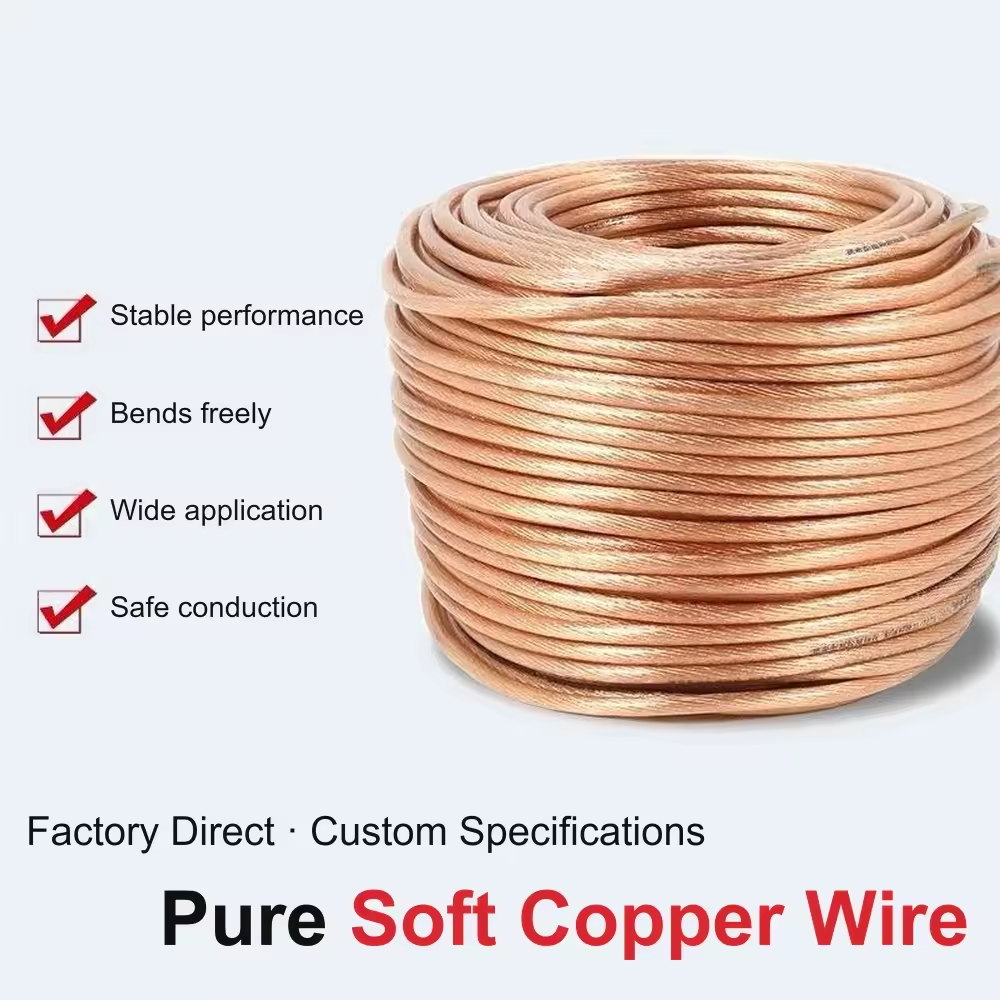
  • PVC insulated stranded copper grounding wire for frame and array bonding
  • Zinc oxide surge arresters for the AC side of the plant

Grounding and surge protection

The grounding conductor is what holds the module frames, the mounting structure and the inverter enclosure at the same potential, and it is specified by the conductor size the installation requires and by the environment it runs through — which is why the PVC-sheathed stranded copper range is quoted by cross-section rather than as a single part number.

On the AC side of the plant, zinc oxide surge arresters protect the equipment against switching and lightning-originated overvoltages. Tell us the system voltage and the installation conditions and the arrester is selected against them.

Maintenance is live-work, and the DC side never fully goes away

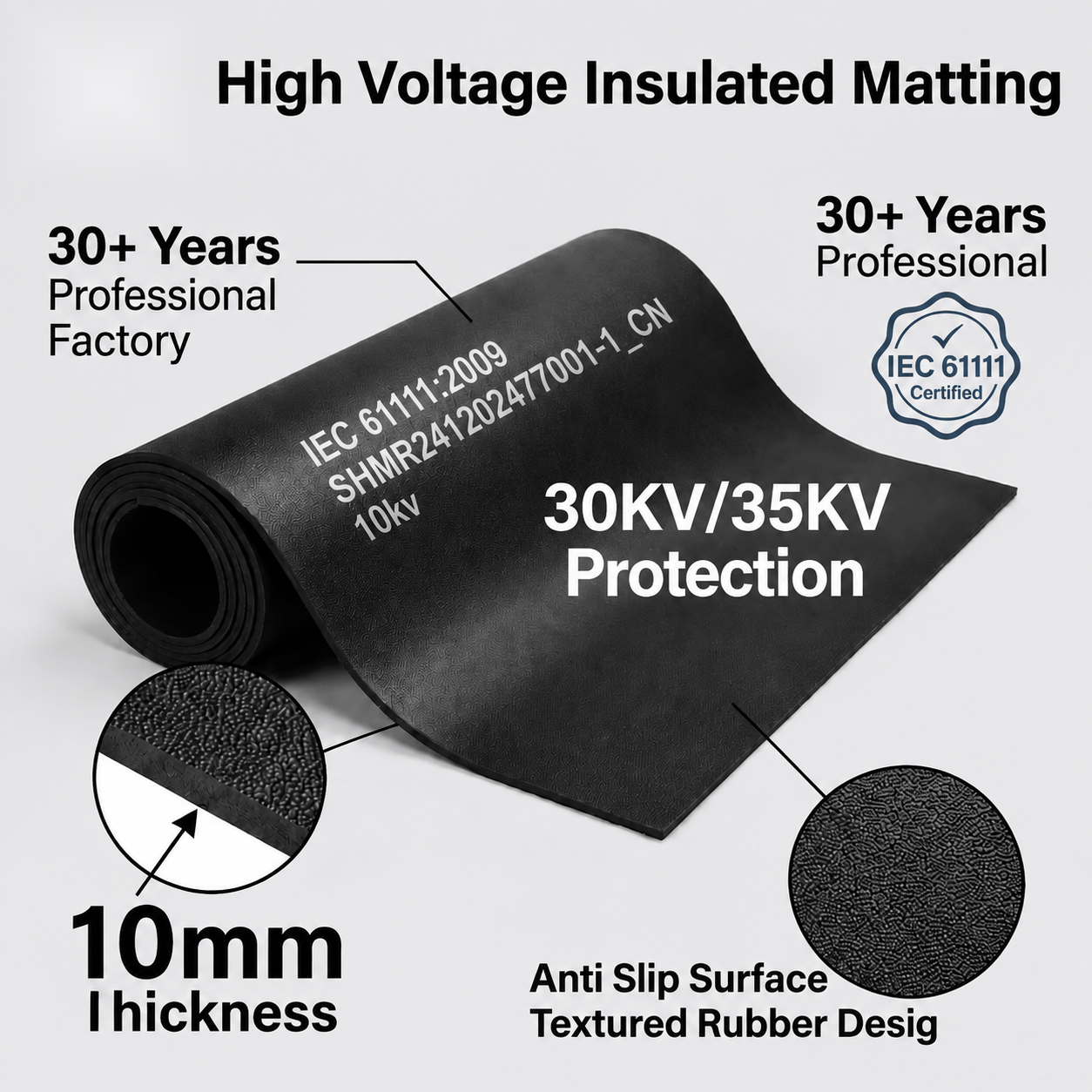
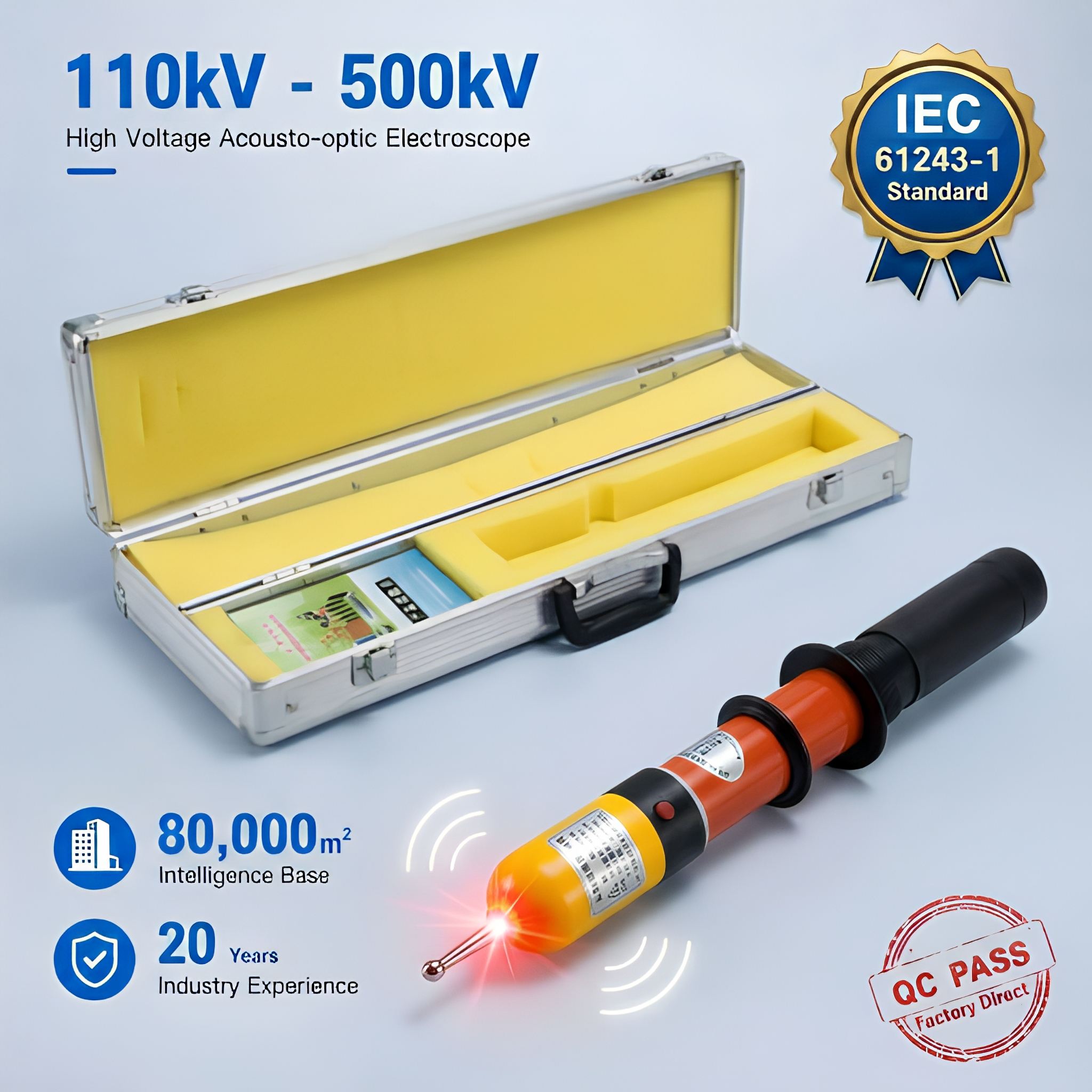
A PV array produces voltage whenever it is illuminated. The practical consequence for maintenance is that proving dead and earthing matter more, not less: the equipment that lets a crew work safely on a plant is the same list as on any other worksite — a detector to prove the point of work, matting to stand on, insulating gloves and footwear, and an insulating ladder or platform to reach the string boxes and the inverter.

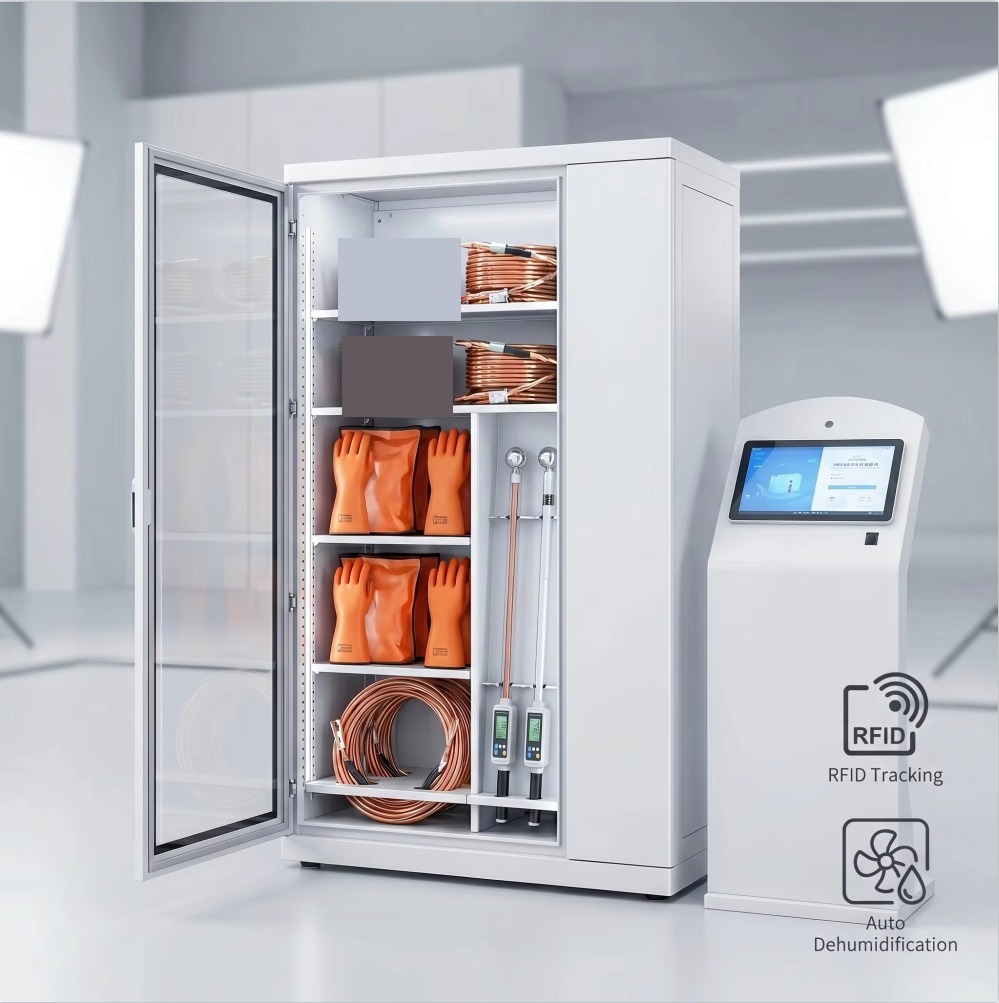
Tool control matters here too. A tool left inside an inverter enclosure or a combiner box on an operational plant is a fault waiting for the next energisation, and a cabinet with position control is the cheap way to make sure it does not happen.

  • Insulating matting to IEC 61111 for the work position
  • Voltage detectors to IEC 61243-1 to prove the point of work dead
  • Insulating gloves to IEC 60903 and insulated footwear to EN 50321-1
  • Insulating ladders and mobile insulated platforms
  • Smart tool cabinets to keep the tool account on an operational plant

What to send for a quotation

For the DC side: the system voltage (1000 V or 1500 V), the cross-section required, the connector type, and whether you want cable or finished assemblies. For the safety side: the installation voltage, the standard you are specifying against, and the dimensions and finish of the matting or the reach of the ladder.

Because the cable, the accessories and the safety equipment come out of the same plant, a PV order can travel as one shipment on one set of export documents — which for an EPC contractor is usually the deciding practical point.

Equipment for this worksite

Products specified on solar pv plants

FAQ

Frequently asked questions

What DC cable do you supply for a PV plant?
DC tinned-copper solar PV cable in 2.5, 4 and 6 mm² with double XLPO insulation, for 1000 V and 1500 V systems, plus PV extension-cable assemblies with MC4 connectors in single-head IP67 and double-head versions. Tell us the system voltage, the cross-section and the connector type.
How is the grounding conductor for the array specified?
By the cross-section the installation requires and by the environment it runs through. The PVC-sheathed stranded copper range is quoted by cross-section — 16–150 mm² and 2.5–10 mm² versions are both in the range — so tell us the conductor size and the routing.
Do you supply the safety equipment as well as the cables?
Yes, and that is deliberate: the matting, gloves, detectors, ladders and tool cabinets come out of the same operation as the DC cables, so a PV order is one shipment and one set of export documents rather than three suppliers.
Can a PV maintenance crew work on the DC side at all?
Only under the same discipline as any other live-work: the point of work is proved dead and, where required, earthed before contact. A PV array generates whenever it is illuminated, so proving dead and holding the conductor at earth potential is not a formality on this site. Tell us the system and the work and we will confirm the equipment list.
Discuss your worksite
Start Your Project

Let's build your power infrastructure together

Send us your specifications — insulating mats, gloves, voltage detectors, grounding systems or safety tooling projects. Our engineers respond within 24 hours with technical recommendations and pricing.